
Cricket Players: Profiles, Biographies, Stats & Records
Explore the journeys of famous Indian cricketers, emerging stars and women cricket legends. Discover career highlights, playing styles, major records and easy-to-read player biographies.
Featured Cricket Players
Choose a cricketer to explore their background, international journey, league career and important achievements. Individual links below are suggested URLs; publish the matching biography before relying on them as live navigation.
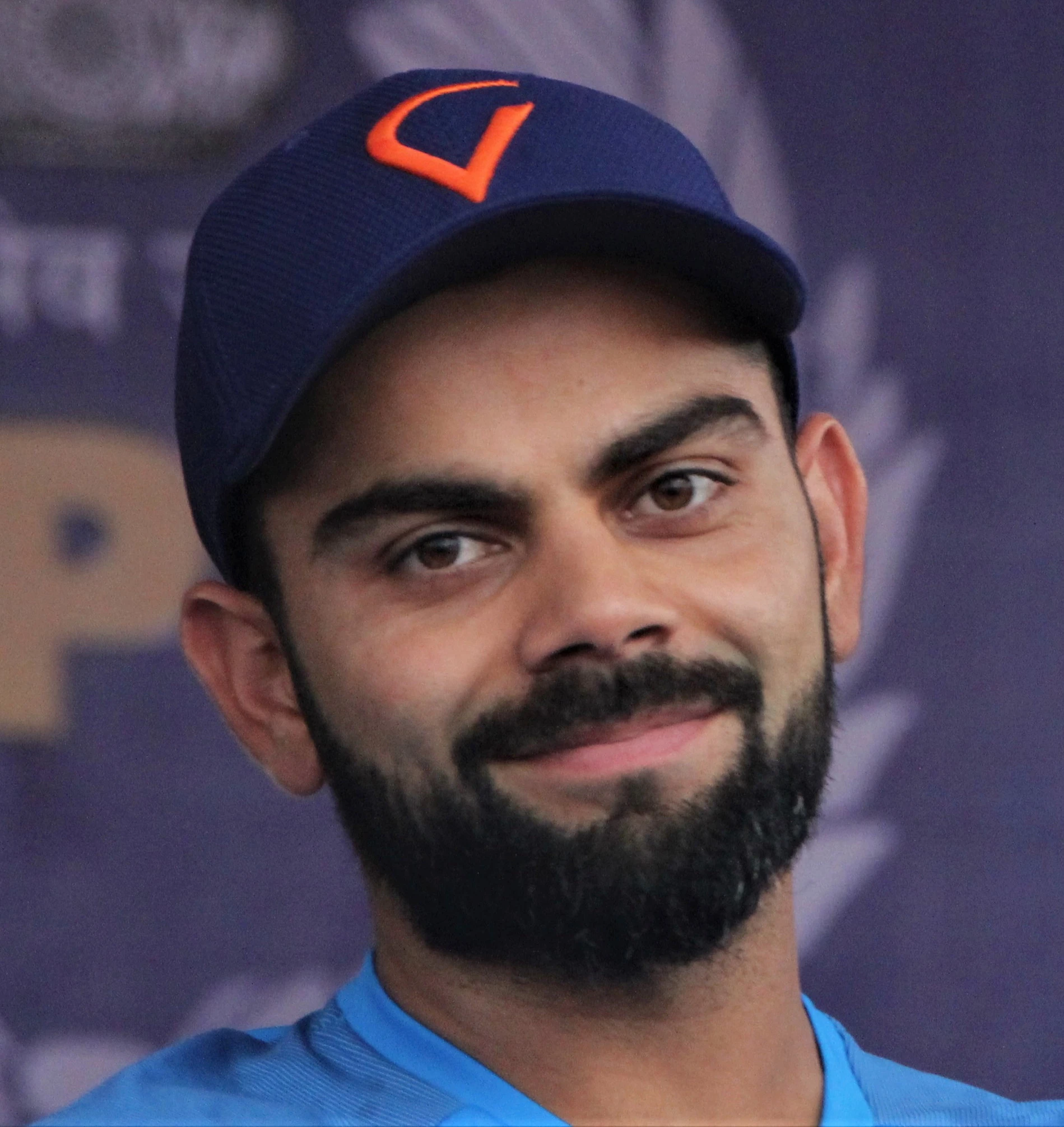
Virat Kohli
IndiaA modern batting great known for chasing targets, consistency across formats and a remarkable ODI record.
Read Biography →Rohit Sharma
IndiaAn elegant opener renowned for timing, six-hitting and multiple double centuries in ODI cricket.
Read Biography →Jasprit Bumrah
IndiaA pace spearhead whose distinctive action, yorkers and control stand out in every format.
Read Biography →MS Dhoni
IndiaA World Cup-winning former India captain celebrated for composure, finishing and wicketkeeping.
Read Biography →Sachin Tendulkar
IndiaThe record-setting Indian batter whose international career spanned more than two decades.
Read Biography →Smriti Mandhana
India WomenA stylish left-handed opener and a leading figure in Indian women’s international cricket.
Read Biography →Harmanpreet Kaur
India WomenAn aggressive middle-order batter and influential leader in Indian women’s cricket.
Read Biography →Shubman Gill
IndiaA technically accomplished top-order player known for elegant stroke play.
Read Biography →Ravindra Jadeja
IndiaA left-arm spinner, useful lower-order batter and exceptional all-round fielder.
Read Biography →Hardik Pandya
IndiaA power-hitter and seam-bowling all-rounder who brings balance to limited-overs sides.
Read Biography →KL Rahul
IndiaA versatile batter and wicketkeeping option across positions and match situations.
Read Biography →Mithali Raj
India WomenA former India captain and one of the defining batters of women’s international cricket.
Read Biography →Virat Kohli photo: Anand Anil / Wikimedia Commons, CC BY-SA 4.0. Other cards currently use initials to avoid displaying unverified or unlicensed portraits. Replace them with properly licensed player images before publishing.
Cricket Player Biographies: The Complete Guide
Learn how to explore career histories, interpret cricket statistics and understand the unique roles of the players who make the sport compelling.
What You Will Find in Our Cricket Players Directory
Cricket is a sport of individual skill within a team contest. A thrilling run chase may depend on one batter reading the conditions, yet it also reflects partnerships, bowling plans, field placement and decision-making under pressure. Our cricket players directory brings those individual stories together so supporters can move beyond a single scorecard and understand the people behind the performances.
Each player profile is designed to answer the questions fans actually search for: where a cricketer was born, how their career began, which role they play, their main international and league milestones, and the records that make their journey memorable. We separate evergreen biography facts from season-by-season numbers so readers can recognize when information is historical and when it needs a fresh update.
Use the directory to discover established legends, current international players and leading names from women’s cricket. You can also compare different playing styles, from opening batters who build an innings to death-over specialists who defend a target. The goal is an accessible reference hub for curious beginners as well as dedicated followers of the game.
Popular Indian Cricket Players
Indian cricket has produced batters, bowlers, wicketkeepers and all-rounders who have shaped the sport across generations. Sachin Tendulkar set an extraordinary standard for longevity and run-scoring, while MS Dhoni became a defining figure through leadership, calm finishes and success in major limited-overs tournaments. Their careers show that greatness can take different forms: sustained excellence over decades or the ability to influence the most important moments.
Virat Kohli developed a reputation for intensity, fitness and methodical run chases. Rohit Sharma is admired for his fluent stroke play and his ability to accelerate once established. Jasprit Bumrah demonstrates how pace bowling combines imagination with accuracy; his variations, release point and execution are as significant as outright speed. These players are useful starting points for readers exploring different cricketing roles.
The next generation continues the story rather than simply repeating it. Shubman Gill combines classical technique with modern scoring options, while all-rounders such as Hardik Pandya and Ravindra Jadeja contribute in multiple departments. Their career profiles help explain selection balance, the value of fielding and why a successful team needs more than specialist run-scorers.
Women Cricketers Who Have Changed the Game
Women’s cricket deserves the same attention to detail as the men’s game. India’s women cricketers have inspired a growing audience through international series, world tournaments and the development of professional domestic competitions. Their achievements are not merely supporting stories; they are central chapters in the history of Indian cricket.
Mithali Raj helped establish a benchmark for consistency and leadership over a long international career. Harmanpreet Kaur brought a fearless attacking style to crucial innings and became an influential captain. Smriti Mandhana is widely appreciated for her timing, left-handed technique and ability to score at the top of the order. Their biographies show how different strengths contribute to a team’s success.
As women’s leagues receive greater coverage, player information becomes easier to follow, yet statistics still need clear context. A powerful league innings, a bilateral-series hundred and a major tournament performance each tell part of a career. Our profiles aim to place those achievements in the relevant format and competition instead of blending separate records into a misleading total.
Understand Player Roles and Playing Styles
An opening batter faces the newest ball, often against the opposition’s fastest bowlers. Success demands judgment outside off stump, patience against movement and an ability to score when loose deliveries appear. Middle-order players may enter after early wickets or arrive with a platform already built, so adaptability is essential. Finishers often have fewer deliveries available and must make decisions quickly.
Bowling roles are just as varied. A fast bowler may attack with seam movement early in an innings, use cutters through the middle and deliver yorkers near the end. Spinners can create pressure with flight, angle, turn and changes of pace. A wicketkeeper contributes through catching, stumpings, awareness of field placements and communication with the captain. Great fielders can save runs without ever appearing in the batting or bowling columns.
All-rounders make team composition more flexible. A seam-bowling all-rounder can provide an extra pace option and late-order hitting; a spin-bowling all-rounder may control overs and build partnerships. When reading a profile, pay attention to a player’s primary role and the conditions in which their other skills add value. A single label rarely captures the entire contribution.
How to Read Cricket Career Statistics
Player statistics are most helpful when presented by match format. Test cricket rewards concentration and the ability to perform across long spells and changing conditions. One Day Internationals balance innings construction with scoring momentum over fifty overs. Twenty20 Internationals emphasize rapid adaptation, boundary options and specialized bowling skills. Domestic and franchise competitions have their own record books and should not be confused with international totals.
For batters, common measures include matches, innings, runs, highest score, average, strike rate, hundreds and fifties. A batting average measures runs per completed dismissal, whereas strike rate describes runs scored per one hundred balls. Neither figure should be interpreted in isolation. A middle-order batter finishing not out frequently can have a different statistical pattern from an opener who regularly faces a new ball.
For bowlers, wickets, economy rate, bowling average and strike rate tell complementary stories. Economy rate shows runs conceded per over; bowling average relates runs conceded to wickets taken; bowling strike rate considers deliveries per wicket. Match role, pitch, era and opposition affect comparisons. Any live or current-career statistic should carry a source and an as-of date, because a single new match can change career totals.
International Cricket Formats Explained
Test matches are traditionally played over as many as five days, with two innings available to each side in a standard contest. The format places a premium on technique, physical endurance, planning and the capacity to adapt as a pitch wears. A player’s Test record therefore tells readers something distinct from their performance in a shorter match.
One Day Internationals are limited to fifty overs per side in a completed innings. They feature changing powerplay restrictions, longer partnerships and strategic shifts across the middle overs. Great ODI players often combine wicket preservation with carefully timed acceleration, while bowlers must work through phases that reward different deliveries and field settings.
Twenty20 Internationals are usually played across twenty overs per team and place intense pressure on every decision. Strike rotation, power-hitting and targeted matchups become particularly important. The Indian Premier League is a domestic franchise T20 competition rather than an international format, so IPL career statistics should be labeled separately from T20I figures. Clear labels are essential for fair comparisons.
The IPL and Franchise Cricket Careers
The Indian Premier League introduced many fans to a distinctive style of franchise cricket in which players from different countries compete for club teams. For established stars, the IPL can reveal tactical versatility; for emerging players, it can provide exposure to elite opponents and pressure situations. A player’s IPL profile may include team history, debut season, batting or bowling role, notable partnerships and major playoff performances.
Franchise records require additional context because roles can change from season to season. An opener may move into the middle order, a fast bowler may specialize in the powerplay, or an all-rounder may contribute differently depending on team balance. Auction prices and contracts also change, so they should not be presented as permanent biographical details.
When navigating individual biographies, compare IPL achievements with international performances rather than treating the competitions as interchangeable. A player may have a striking T20 league record while developing their Test technique, or a superb Test career alongside fewer franchise appearances. Both paths matter, but accurate presentation respects the boundaries between formats.
Cricket Records, Milestones and Achievements
Cricket records range from individual centuries and five-wicket hauls to team trophies and tournament awards. Some are easy to quantify, such as a career run total. Others need additional explanation, including the importance of an innings played during a difficult chase or the conditions surrounding an exceptional bowling spell. A good player biography records both the figures and the match context.
Awards can recognize season-long consistency, a tournament performance or broader contributions to the game. Profiles should distinguish between official governing-body awards, tournament honors and informal fan descriptions. Phrases such as “greatest ever” are opinions unless supported by a clearly explained comparison, so we prefer specific accomplishments and attributable recognition.
Because records evolve, this directory should link readers to dedicated player pages where milestone tables can be reviewed and updated. Historical achievements can remain stable, but career rankings and active-player counts require periodic checks. Readers deserve to know which claims are established facts and which are based on a snapshot in time.
How to Compare Two Cricket Players Fairly
Comparing cricketers is part of the fun of following the sport, but an honest comparison starts with similar roles and formats. A Test opener and a T20 finisher face very different requirements. Likewise, a spin bowler in slow conditions cannot be evaluated only by the same indicators used for a pace specialist in a seam-friendly series.
Start by choosing a format, then consider a meaningful period of each player’s career. Look at opportunity, position in the batting order, opposition strength and the conditions where performances occurred. Statistical totals favor longer careers, while rate-based numbers sometimes fluctuate heavily when a sample is small. Neither approach provides a complete answer by itself.
Qualitative details round out the picture. Leadership, fielding, fitness, adaptability and big-match performances can explain contributions that a basic batting-average table misses. Our biographies are intended to support thoughtful comparisons, not produce an arbitrary one-number ranking of players whose responsibilities differ.
Early Life, Training and Career Development
Behind every international cricketer is a learning journey. Many begin with school competitions, local academies and junior tournaments before reaching state or regional teams. Coaches help shape technique, but family support, practice opportunities and resilience also matter. A biography becomes more meaningful when it explains how a player advanced through these stages.
Early-career stories should be sourced carefully. Anecdotes about childhood sacrifices or dramatic turning points are frequently repeated online with limited evidence. Wherever possible, individual profiles should rely on reliable interviews, official team material or well-documented reporting rather than repeating unsourced stories as facts.
Training today can include strength development, recovery work, video analysis and format-specific preparation. These routines may change throughout a career. Readers should distinguish confirmed information about a player’s development from generalized assumptions about how all professional cricketers practice.
Finding and Using Player Profile Information
Begin with the featured player cards on this page, then open an individual biography for more detail. Each profile can bring together personal information, playing role, early years, international appearances, league history, notable records and frequently asked questions. A consistent structure makes it easier to move between players without learning a different layout every time.
For research or content creation, verify fast-changing facts against cricket governing bodies and trusted score providers. International match counts, current squads, contracts and rankings can change. If you use a profile for an article or school project, record when you accessed it and confirm any statistic that is important to your conclusion.
Our directory is designed as a growing index. Not every cricketer has a completed linked biography yet, and we avoid pretending that placeholder links contain published pages. As more profiles go live, the directory can be expanded by country, role and format while preserving a clear user experience on desktop and mobile.
Frequently Asked Questions About Cricket Players
Who is the most famous cricket player in India?
Several names are widely celebrated, including Sachin Tendulkar, MS Dhoni, Virat Kohli and Rohit Sharma. Fame is subjective and depends on generation, format and audience.
What information is included in a cricket player biography?
A detailed biography typically covers personal background, playing role, early career, international and franchise cricket, statistics, records, awards and frequently asked questions.
How are ODI and T20I statistics different?
ODIs normally allow fifty overs per side, while T20Is allow twenty. Batting tempo, bowling roles and records therefore differ, and figures should be presented separately.
Are IPL runs included in international cricket statistics?
No. The IPL is a franchise competition, and its figures are separate from Test, ODI and T20 international records.
How often should player statistics be updated?
Active-player statistics should be checked after relevant matches or series. Every stats table should show an as-of date and ideally a trustworthy source.
Why do cricket players have different batting averages and strike rates?
Batting average reflects runs per dismissal, while strike rate measures scoring speed. Match format, batting position and role all influence these figures.
Where can I find women cricket player profiles?
This directory highlights players such as Smriti Mandhana, Harmanpreet Kaur and Mithali Raj, with space to expand the women’s cricket collection.
How can I compare two cricket players?
Choose the same format and comparable roles, then review career period, match context, runs or wickets, efficiency and meaningful achievements.
Editorial note: This is an educational directory. No live statistics or rankings are claimed. Check and update career records on individual pages against reliable cricket data sources before publishing.